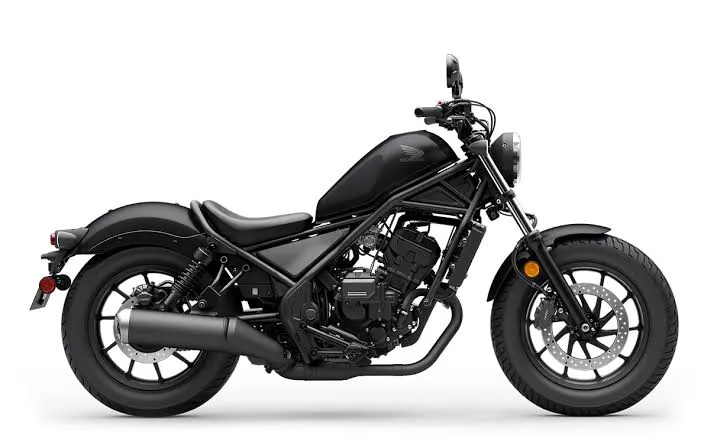
Are Dirt Bikes Street Legal in Texas?
Table of Contents
- Are Dirt Bikes Street Legal in Texas?
- Texas Dirt Bike Laws
- Do You Need a License?
- Do You Need Insurance For Your Dirt Bike?
- Can You Drive a Dirt Bike Under 16?
- How To Make A Dirt Bike Legal In Texas
- Are Mini Bikes Street Legal In Texas?
- Do Dirt Bikes Need To Be Registered in Texas?
- Cost To Register a Dirk Bike In Texas
- What Makes a Dirt Bike Not Street Legal in Texas
- Common Mistakes Riders Make With Texas Dirt Bike Laws
- Conclusion on Texas Dirt Bike Laws

If you spend any time riding trails around Texas, the question usually comes up sooner or later: Are dirt bikes street legal in Texas? The short answer is no, but there are lots of things you can do to make them legal for certain roads.
It makes sense why this question is asked so often, especially given Texas’s versatile landscape. Being able to roll out from home, cruise a bit of pavement, then turn onto a dirt road or trail just makes sense here. In this article, we’ll cover what Texas allows, what it takes to ride legally, and how to get more freedom out of every ride without making things too complicated.
Are Dirt Bikes Street Legal in Texas?
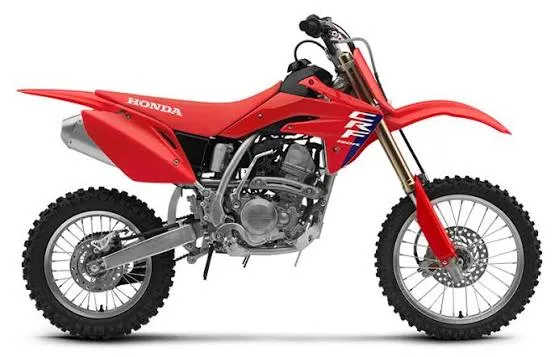
In most cases, no. Dirt bikes are built for trails, not traffic, which means they usually leave the factory without the equipment Texas expects for normal street riding. Things like the proper lighting, mirrors, signals, and registration are usually missing, which is why you can’t just hop on and ride one through town and hope to be legal.
That said, it’s not a total dead end. Some riders do manage to ride legally on certain roads after making a few modifications. Others stick to specific types of roads where the rules are a little different. The key thing to understand is that legality depends on how the bike is set up and where you’re riding it, not just the fact that it’s a dirt bike.
Texas Dirt Bike Laws
Texas looks at things like how a vehicle is built, what equipment it has, and how it’s registered to decide where it can be legally ridden. Since dirt bikes are made mainly for trails and off-road riding, using them on public roads is more limited and only allowed in certain situations. Paying attention to those rules really matters, because riding where you’re not supposed to can easily get you fined or ticketed.
Do You Need a License?
Yes. You do need a valid driver’s license in Texas if you’ll be riding on any kind of public road. If you’re on private property or a designated off-highway area, a license isn’t required. Keep in mind that once you’re dealing with public streets or roads, the rules change, and you’re expected to meet the same basic licensing requirements as other motor vehicle riders.
Do You Need Insurance For Your Dirt Bike?
Another yes! In Texas, you do need insurance if you want to dirt bike legally on public roads. If the bike qualifies for road use, it has to meet the same basic insurance requirements as other motor vehicles. Similar to license requirements, your bike does NOT need to be insured when riding on private property.
Can You Drive a Dirt Bike Under 16?
While age definitely is something to factor in, the rules change based on where you’re riding. Once again, riders under 16 are fine to ride on private roads and other approved riding areas. All the same safety rules apply, such as helmet requirements, and younger riders are still expected to be under adult supervision.
However, public roads are a different story. Riding on streets or roads requires a driver’s license, which basically puts road use out of reach for riders under 16. So while kids and teens can legally ride off-road or in the right places, riding on public roads isn’t allowed until they’re old enough to have a valid license.
How To Make A Dirt Bike Legal In Texas
Every situation can be a little different depending on the bike and how it’s titled, but these are the common steps riders tend to go through. If it’s done the right way, it opens the door to riding legally without guessing whether you’re ok to be there.
● Street-Required Equipment
To be considered road-ready, a dirt bike has to be set up to function safely in traffic, not just on trails. That usually means adding the types of features the state expects on any street-driven vehicle so other drivers can see you, predict your movements, and share the road with you safely.
● DOT-Approved Tires
Off-road tires usually won’t qualify. Tires must be approved for street use. Most dirt bikes come with knobby off-road tires that aren’t meant for pavement. To be road compliant, those need to be swapped for DOT-approved tires that are designed to handle asphalt safely and are marked as street legal.
● Vehicle Inspection
Once equipped, the bike must pass a state inspection to confirm it meets road standards. This usually means an inspector checks that required lights, signals, tires, and other safety items are present and working. Once it passes, you’ll receive the documentation needed to move forward with registration.
● Title and Registration
The bike must be properly titled and registered as a motor vehicle, not just an off-highway bike.
● License Plate
A valid plate must be issued and displayed before riding on public roads.
Are Mini Bikes Street Legal In Texas?
Mini bikes are basically the scaled-down cousins of dirt bikes. They sit low to the ground, run smaller wheels, and usually have modest engines meant for short, fun rides rather than long stretches of riding. They’re great for backyard tracks, casual riding, or light off-road use. They’re not built with traffic, speed limits, or road safety in mind like full-size dirt bikes or motorcycles are.
Because of that, Texas keeps mini-bikes in the recreational category. Even if you add lights or try to dress it up for the road, getting it approved is usually more trouble than it’s worth. You’ll definitely see them cruising around neighborhoods, but from a legal standpoint, Texas still sees mini bikes as play bikes, not road-ready machines.
Do Dirt Bikes Need To Be Registered in Texas?
Think of it this way. If your dirt bike never leaves the dirt, Texas doesn’t really care about paperwork. Ride trails, private land, or off-road spots, and you’re good. The moment you want to mix on public roads, even just to connect rides, the bike has to be registered. That’s the tradeoff for street access. No plates, no road time.
Cost To Register a Dirk Bike In Texas
It’s really tricky to even attempt to put a number on this. So many variables play into what registering your bike will come out to. Every county has its own tax structure set up which means the final number can look totally different depending on where you live. On top of that, costs can change based on whether you’re transferring a title, paying sales tax on a recent purchase, or adding specialty plates.
For example, most riders in Texas end up paying around $70 to $120 to title and register a dirt bike that’s been made street legal. That estimate is typical for the larger counties, like Harris County (Houston area) or Travis County (Austin area), where local fees tend to land near the middle of the range. Smaller or more rural counties might come in a bit lower, while some metro areas can be slightly more expensive.
What Makes a Dirt Bike Not Street Legal in Texas
Most dirt bikes are off-road only right from the start, and there's a good reason for that. A handful of common things are usually what keep them from being road-legal in the first place:
● Off-road classification
Many dirt bikes are sold and titled strictly for off-highway use, which automatically limits where they can be ridden.
● Lack of road certification
Some bikes simply aren’t built or labeled to meet on-road standards, even before any riding rules come into play.
● Paperwork limitations
If a bike can’t be properly titled or registered for road use, that alone keeps it off public streets.
● Design focused on trails
Lightweight frames, gearing, and suspension setups are meant for dirt, not traffic or higher-speed road riding.
● No legal way to plate the bike
Certain models don’t qualify for a license plate at all, which makes road use off-limits regardless of modifications.
Common Mistakes Riders Make With Texas Dirt Bike Laws
One of the easiest mistakes to make is thinking a road “doesn’t really count.” If it’s quiet, rural, or barely used, it feels like it should be fine. A lot of riders assume dirt roads, back roads, or neighborhood streets fall into some unofficial gray zone. Most of the time, they don’t. If the road is public, the rules still apply, even when no one else is around.
Another big one is going off what you see other people doing. Watching riders cruise around town makes it seem normal, but enforcement isn’t consistent. Some riders get waved past, others get stopped immediately. That unpredictability is what gets people in trouble. Knowing where the line is ahead of time beats finding out the hard way when a casual spin turns into a hefty citation.
Conclusion on Texas Dirt Bike Laws
Most riders don’t set out trying to bend the rules. They just want more flexibility and fewer limitations. Texas offers a lot of space to enjoy dirt bikes, but the details matter, and those details can shape how and where you ride more than people expect. Understanding them ahead of time helps you ride with confidence instead of second-guessing every turn onto a new road.
If you’re thinking about upgrading your bike, tweaking your setup, or just want something that fits the way you actually ride in South Texas, stop by Tipton Motorsports in Brownsville. Our team knows the local riding scene and can help you get set up the right way, whether you’re chasing trails, back roads, or something in between.