The Texas ATV Law Guide: Is A Helmet Required?
Table of Contents

All-terrain vehicles (ATVs) are a popular recreational outlet in Texas, but there are important legal and safety rules to understand before you ride. In this guide, we’ll walk through Texas ATV laws, helmet requirements, what it takes (and when it’s allowed) to drive ATVs on the road, the penalties for violating the rules, and off-road regulations.
Texas ATV Laws
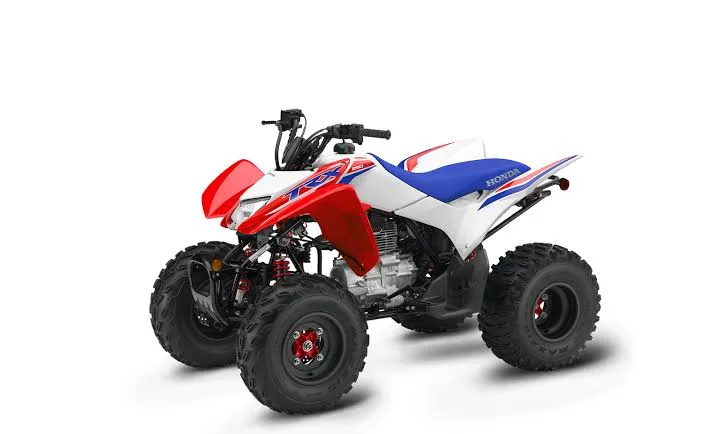
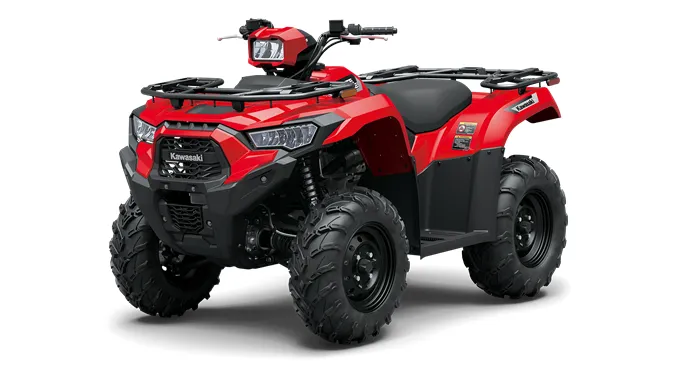
In Texas, ATVs fall under the category of off-highway vehicles (OHVs). According to the Texas DMV, an OHV includes ATVs, side-by-sides (ROVx/UTVx), and similar vehicles.
While ATVs must be titled, they are not eligible for full highway registration in Texas. Instead, they can receive a special Off-Highway Vehicle license plate, which allows for limited road use in certain scenarios.
When riding on public property (like state parks or officially designated OHV areas), Texas law also requires:
- A safety certificate (from a state-approved ATV safety course) for certain riders.
- Eye Protection, and
- Seat belts, if the vehicle has them.
Also, under the Parks and Wildlife Code Title 3, Chapter 29, failing to wear required safety apparel(helmet, eye protection, seat belt) on public OHV land is a Class C misdemeanor.
According to the Texas OHV program, all off-highway riders should wear protective gear, including a helmet, eye protection, appropriate footwear, and more, even when not strictly required.
Is It Possible To Make an ATV “Street Legal” in Texas?
Here’s where things get tricky: in most cases, you can’t make an ATV fully street legal in Texas.
- The Texas DMV does not allow most ATVs to be titled for full on-road use.
- Even if you add brake lights, turn signals, mirrors, or other safety gear, that alone won’t qualify your ATV for regular highway registration.
- What you CAN do is apply for an OHV license plate. The plate allows limited operation under very specific conditions set by law.
When Can You Legally Drive an ATV on the Road (Despite It Not Being Street Legal)
There are a few exceptions where ATVs or other OHVs are allowed on certain public roads, but the window is narrow:
- Crossing a public road: You may cross a road, but you must stop, yield to traffic, have headlights and taillights on, and do so perpendicular to the road (i.e., straight across).
- Special designations by local governments: Some countries or cities (often smaller ones) allow ATVs on roads with speed limits of 35 mph or less, if the vehicle meets safety requirements and carries an OHV plate.
- Agricultural/utility/emergency use: Farmers and ranchers can use ATVs for work, traveling up to 25 miles from their base. Utility workers have similar allowances for daytime travel. Law enforcement/emergency personnel can also operate on certain roads, under restricted mileage. In these cases, you may need to display a slow-moving vehicle emblem, have lights, and follow other safety rules.
Penalties for Illegal ATV Operation
If you violate Texas ATV laws, you can face:
- Misdemeanor charges: For example, not wearing required safety apparel (helmet, eye protection)on public OHV land is a Class C Parks & Wildlife misdemeanor.
- Fines: According to LegalClarity, fines can range from around $25 to $200 for violations like operating on prohibited roads or not displaying the slow-moving emblem when required.
- Vehicle impoundment or removal: Enforcement authorities(including game wardens) can remove riders from restricted areas.
- More serious consequences: If you drive under the influence (DUI/DWI) on an ATV, you can face the same penalties as with other motor vehicles, fines, jail time, and license suspension, depending on the severity.
ATV Off-Road Regulations in Texas
When you’re off-road (i.e., on public OHV land or other designated riding areas), here’s what you need to know:
- Decal requirement: You must have a current Texas OHV decal displayed on your vehicle to ride legally on public OHV venues.
- Operational rules: Headlights and taillights must be on between half an hour after sunset and half an hour before sunrise, or when visibility is poor. Vehicles must also have. Also, vehicles must have working brakes, a muffler, and a spark arrestor.
- Age and training: If you’re under 14, you must be directly supervised by an adult (parent/guardian or authorized person) when operating. Operators on public property need a safety certificate from a recognized ATV safety course or supervision in training.
- Other gear: According to TPWD’s “Responsible Use” principles, you should wear protective equipment (helmet, eye protection, footwear) and avoid riding on paved public roads unless explicitly allowed.
Why Wear a Helmet (Even Beyond the Law)?
Beyond legal requirements, wearing a DOT-compliant helmet is a smart safety investment:
- Head injuries are a very common risk on ATVs.
- Texas Children’s Hospital recommends over-the-ankle boots, gloves, long pants/shirts, and a DOT helmet for maximum protection.
- A helmet certified to U.S. DOT standards helps absorb impact and reduce injury severity in a crash.
Texas ATV Law Guide Conclusion
In Texas, helmets are legally required for many ATV riders, especially when operating on public off-highway land. Road use is tightly restricted, and ATVs generally aren’t “street-legal” in the traditional sense; only certain exceptions apply, and even then, there are strict rules. Violating these laws can lead to fines or more severe legal trouble.
But when you follow the rules, wear the right safety gear, get your OHV decal, and complete an approved safety course, ATVs offer a thrilling and rewarding way to explore Texas’s open terrain. And if you want to do it right, Tipton Motorsports can help you get started. Our expertise, gear, and local insight will set you up to ride responsibly, confidently, and legally.